Top Surrey Electricians
Want a dependable Surrey electrician for electrical system evaluations? We assess electrical system components to meet BC safety requirements. We provide AFCI/GFCI testing, measured load balancing, conductor sizing checks and megger testing where warranted, along with thorough documentation with visual evidence and regulatory references. Safety concerns like dangerous electrical symptoms warrant prompt safety responses. You'll receive immediate verbal feedback and a detailed report within 1-2 business days covering recommended fixes, permit details, and compliance needs-details follow.
Essential Points
- Comprehensive panel assessments, including overcurrent protection and service checks with accurate breaker evaluation and validation of AFCI/GFCI devices conforming to BC Electrical Code requirements.
- Comprehensive wire and ground testing, featuring resistance testing of insulation, aluminum terminal assessments, and thorough bonding and grounding system checks.
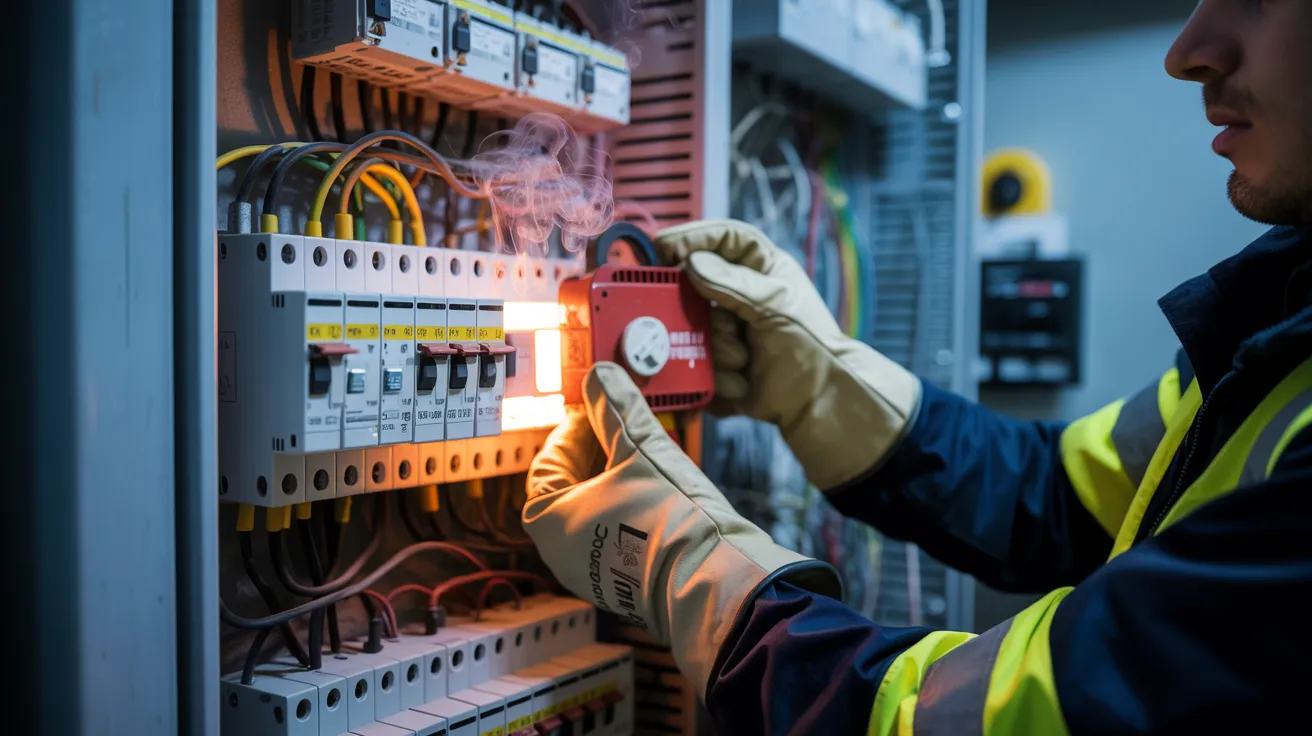
- Quick safety assessments for light flicker, excessive heat, noisy panels, repeated circuit trips, and GFCI/AFCI test failures, with same-day recommendations for shutdown.
- Efficient on-site process: An efficient 1-3 hour inspection, thorough pre-checklist review, immediate verbal results, and complete written report furnished within 24-48 hours.
- Confirm all TSBC-compliant permits and required documentation, including verification of FSR class, contractor licence, WCB clearance, insurance, and calibration documentation.
Why Electrical Inspections Matter for Surrey Homes and Businesses
While most electrical wiring remains hidden behind walls, electrical inspections safeguard you from unseen risks, compliance issues, and operational disruptions. You minimize fire hazards, unnecessary breaker trips, and component malfunctions by ensuring that electrical systems conform to current BC Electrical Code requirements. For owners and managers of older properties, inspections identify legacy wiring inadequate for current requirements, metal connections that need specialized treatment, and inadequate breakers risking thermal issues.
Regular inspections in commercial spaces ensure continuous operation by confirming proper labeling, current ratings, and protective device installation where required. Additionally, you'll improve operational effectiveness when inspections are coordinated with energy audits, spotting overloaded neutrals from non-linear loads and correcting power factor problems. By taking proactive measures, you can prevent unexpected breakdowns, insurance complications, and compliance penalties in Surrey.
Understanding Your Comprehensive Electrical Inspection
You'll start with a thorough panel and circuit review, validating that breaker ratings, load distribution, labeling, and bonding meet BC Electrical Code. After that, there will be comprehensive wiring and grounding assessments validating conductor types, terminations, GEC/bonding continuity, and insulation integrity. To conclude, there's safety system testing examining the functionality of GFCI/AFCI devices, surge protectors, and necessary alarm systems to verify code-compliant protection.
Panel and Circuit Assessment
Initialize at the core of the electrical setup: the electrical panel and circuit branches. You check the panel's rating, busbar status, and main bonding jumper, then ensure clear working space and correct dead-front installation. You evaluate lug tightness, secure neutral connections, and signs of thermal stress or oxidation. The size of breakers needs to correspond to conductor current ratings and equipment specifications; tandem use follows the panel's designated requirements.
You examine breaker labeling for accuracy and permanence, ensuring each circuit is identifiable for safe service. You analyze load balancing across phases to limit neutral current and nuisance trips, using measured loads against the expected power requirements. You verify AFCI/GFCI protection where required, prevent mixed neutrals under one terminal, and note any overfilled gutters or missing clamps. You record deficiencies with code references.
Wiring and Grounding Checks
Prior to opening a device box, ensure that the types and sizes of branch-circuit wiring comply with their environmental and ampacity requirements in accordance with NEC 110.3(B), 110.14, and 310. Verify conductor temperature ratings are compatible with terminal connections, and that listed aluminum terminations have proper treatment. Examine wire jacket identifications, verify NM cable is used only in dry locations, and verify adequate support and protection measures as outlined in 300.
Examine grounding conductor equipment for continuity and bonding integrity per 250. Confirm metal boxes, raceways, and enclosures are effectively bonded, with approved bushings and fittings where required. Verify grounding electrode conductor specifications, terminals, and reachability. Check electrical insulation on main feeders and essential branch circuits, and document any megger readings under minimum standards. Fix polarity reversals, illegal neutrals, and shared neutral issues lacking handle ties. Keep neutral isolation in subpanels.
Device Security Verification
After confirming wiring and grounding, inspect the safety equipment that manages fault current and prevents damage. Verify each device against applicable codes: main service disconnect, overcurrent devices, branch circuit protection, ground fault interruption, and arc fault circuit interrupters. Conduct breaker testing using calibrated equipment, verifying trip characteristics and reset capabilities. Verify RCD performance through trip current and time measurements; failing devices require immediate replacement. Test emergency stop functionality for climate control, photovoltaic, electric vehicle, and mechanical installations to verify correct labeling, accessibility, and isolation capability. Check surge protection specifications, terminal connections, and bonding integrity. Verify enclosure integrity, IP rating, and tamper protection: secured panels, intact seals, and properly torqued connections. Confirm protection device coordination to prevent nuisance tripping, and record all results including device serials, configured settings, and measured values.
Key Indicators You Need an Urgent Electrical Safety Inspection
While some electrical issues may appear minor, certain indicators necessitate an immediate electrical safety inspection to avoid fire hazards, electrical shock, or equipment damage. When you notice outlets flickering or lights dimming as appliances start, you might have loose neutral connections, circuit overloads, or failing wiring. Discolored receptacles, burning odors, or hot faceplates suggest electrical arcing or insulation problems-turn off power and contact an electrician immediately. Breakers that frequently trip, buzz, feel warm, or won't reset signal an overcurrent situation or electrical fault. Safety devices that won't test properly or reset suggest device malfunction or wiring problems. Visible sparking, shock sensations, or sizzling from fixtures are serious warning signs. Don't try fixing live electrical issues. Turn off the circuit, note all symptoms, and book an urgent inspection.
Building Standards, Regulations, and Certifications for Surrey and British Columbia
As electrical work is regulated in BC, you are required to meet the BC Electrical Code (adopted CSA C22.1), Safety Standards Act requirements, and Technical Safety BC inspection and permitting protocols for every installation, modification, or maintenance project in Surrey. You need to secure permits before starting work, ensure compliant equipment selection, and ensure correct bonding, terminations, and fault protection systems.
We process permit processing, scope declarations, and scheduling with TSBC, then record conformance with performance results, electrical schedules, and as-built documentation. We ensure arc-fault, GFCI, tamper-resistant receptacle, and bonding specifications installed per current Code requirements and local requirements. After passed inspections, you are issued a Certificate of Inspection or similar documentation. Keep it with your maintenance records. Failing to comply risks monetary consequences, remedial work, and connection postponements, so harmonize planning, power requirements, and identification from the beginning.
Inspections for Buyers, Renovations, and Routine Maintenance
Whether you're planning a purchase, renovation, or maintenance work in Surrey, our electrical inspection confirms compliance with Code, safety requirements, and system reliability prior to financial commitment or wall modifications. For buyers, we assess panel capacity, bonding, grounding, GFCI/AFCI protection, connection points and visible wire splices. Inspection results support resale negotiations and improvement budgeting. During renovation planning, we evaluate power requirements, circuit design, and conductor specifications before you start the permit process, then inspect rough‑in depth of burial, box fill, arc‑fault coverage, and labeling before closing walls. For regular upkeep, we verify connection integrity, perform thermal imaging, verify RCD operation, and confirm surge and smoke/CO interconnects. You'll get a comprehensive report highlighting problems based on risk level and Code requirements, plus corrective actions and retest timelines.
Choosing a Qualified, Insured, and Reliable Electrical Contractor in Surrey
When selecting a Surrey electrician, confirm they maintain a active FSR (Field Safety Representative) class suitable for your scope of work, plus an current Electrical Contractor Licence from Technical more info Safety BC, and adequate liability/WCB insurance for your project. Be sure to obtain the company name, licensing information, and FSR class; verify these credentials using Technical Safety BC's registry for licensed verification. Verify the contractor secures permits under their contractor licence, not yours.
To verify insurance coverage, obtain a document naming you as an additional insured, detailing coverage limits, policy details, and expiration date. Check WCB clearance and that insurance aligns with project risk (service changes, electric vehicle charging, or electrical panel updates). Review calibration documentation for test instruments, formal inspection procedures citing the BC Electrical Code, and recent compliance history. Get references from comparable occupied dwellings.
Project Overview: Timeline, Reporting, and Following Steps
Though the extent of inspections may differ, anticipate a standard occupied-dwelling electrical inspection to last 1-3 hours on site, starting with a short pre-checklist review and ending with a code-based findings briefing. We'll inspect grounding, service size, bonding, circuit protection systems, cable specifications, overload protection, and component health. The inspection duration also includes access to the panel, attic, crawlspace, and key circuits, so clear pathways help prevent delays.
You'll get same-day verbal results and a written report within 24-48 hours. Our assessment reports reference specific Canadian Electrical Code articles, list deficiencies by priority (immediate hazards, necessary updates, recommended upgrades), and include photos. Next steps: we provide cost estimates, handle permit applications, and facilitate utility or ESA notifications. You'll get final documentation verifying code-compliant remediation.
FAQ Section
Are After-Hours and Weekend Electrical Inspections Available in Surrey?
Absolutely. You can book electrical inspections in Surrey with flexible scheduling including weekends and after hours. We'll send a licensed electrician who adheres to BC Electrical Code, completes load calculations, verifies GFCI/AFCI protection, assesses bonding/grounding, reviews panels, breakers, and terminations, and delivers a detailed report. We accommodate emergency callouts, tenant-safe entry, and condo/strata compliance. Submit your address, desired window, service amperage, and known issues; we'll verify scope, ETA, and pricing.
Are Inspections Available With Minor On-The-Spot Repairs?
Indeed. You can combine inspection and minor repair services when they're within code requirements, easy to reach, and safe to perform (including replacing breakers, fixing loose terminals, swapping faulty receptacles, safety device repairs). I assess load calculations, wire bonding, and ground connections, then perform security improvements when necessary. When problems are more extensive, I record the issues, reference relevant codes, and plan necessary repairs. You'll receive clear documentation containing: inspection results, completed repairs, components replaced, test results, and regulatory information.
How Does a Home Inspection Impact Insurance Rates?
Your insurance rates may be adjusted based on inspection results. Here's what you should know: passing without issues could lead to reduced insurance rates. Insurers usually conduct a review, analyzing panel condition, grounding, AFCI/GFCI protection, and load calculations. Should issues be discovered (like electrical hazards, protection deficiencies, or bonding issues), rates may increase until repairs are made. Remember to furnish the detailed assessment, compliance documentation, and images. Ask for an immediate rate reassessment. Document all maintenance work to support future insurance reviews.
Are You Equipped for Heat Detection and Drone-Based Roof System Assessments?
Indeed. Our service includes thermal imaging with calibrated thermal imaging to locate overloaded conductors, connection issues, and breaker hot spots without system interruption. You also get aerial drone roof conduit inspections via certified drone surveys, collecting 4K visual and radiometric information, correlating anomalies to circuit IDs. I document findings with timestamped images, temperature differential measurements, load conditions, and corrective code references (CEC/NEC). Our service includes risk evaluation, remediation urgency, and validation requirements to verify remediation.
How Are Sensitive Electronics Protected During Testing Procedures?
To protect sensitive electronics, you must isolate them from test sources. Position them on isolated circuits, disconnect breakers, and execute lockout/tagout as per CSA/CEC. After verifying zero voltage, you then install surge suppression and line filtering at distribution panels. Employ true-RMS meters and low-energy insulation testers, strictly prohibiting megger testing on live control boards. Be sure to bond and ground test equipment, regulate inrush with soft-start, and document reconnection and functional checks before returning to normal operation.
Final Thoughts
You're doing more than basic compliance-you're fortifying your electrical infrastructure. A detailed, regulation-aligned inspection changes guesswork into definitive, practical insights: load calculations, bonding continuity, GFCI/AFCI validation, grounding resistance, panel torque, and permit compliance. When a licensed Surrey electrician examines your system, hidden issues surface before they create hazards. Don't risk it with heat, arcs, or insurance claims. Book your assessment, obtain your findings, execute the fixes. Ensure your safety with assurance-professionally certified and prepared for the future.